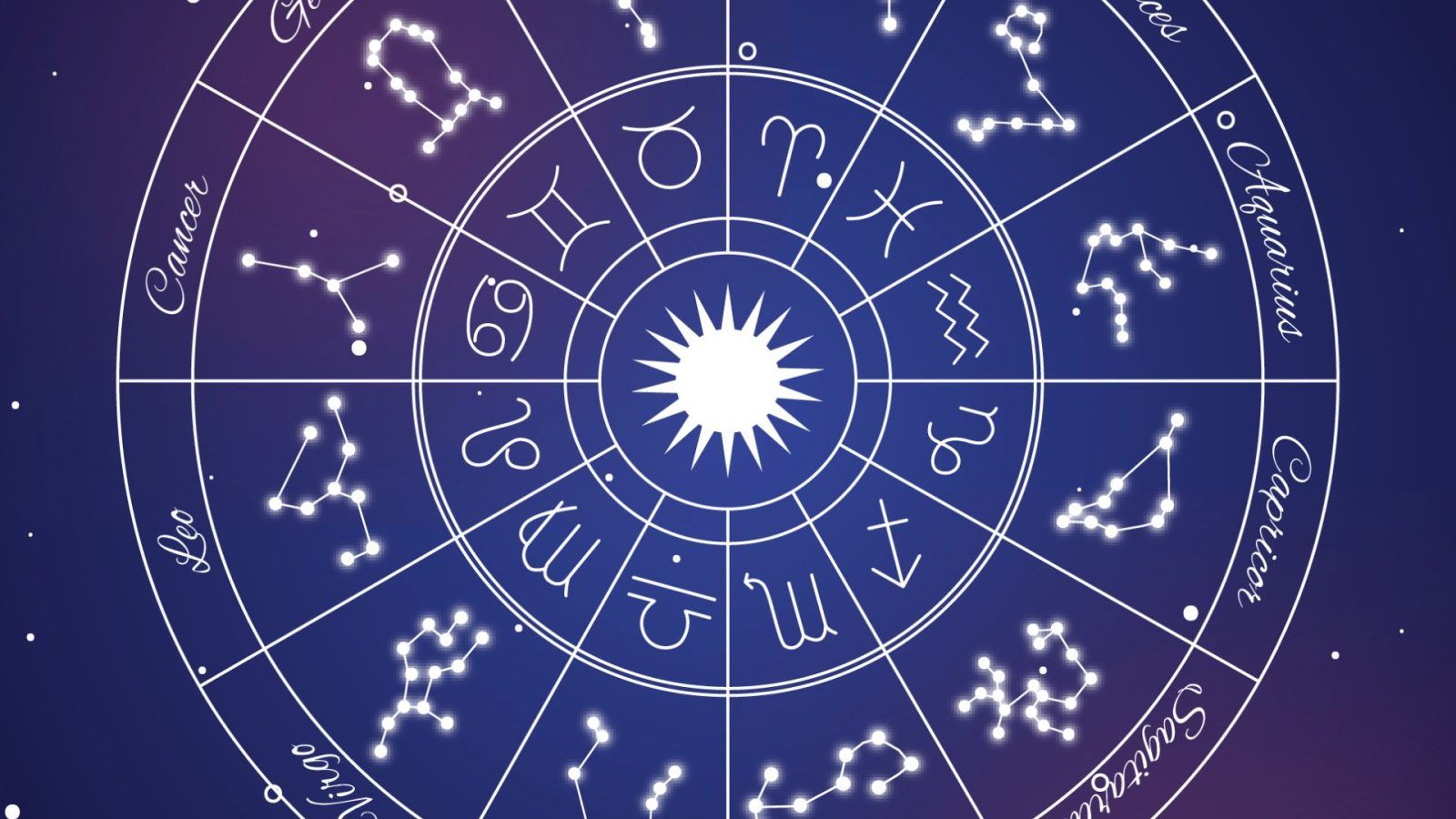
Vedic astrology, one of the oldest and most respected systems of astrology, offers profound insights into the patterns of life, personality traits, and potential challenges one may face. Central to this practice is the Vedic birth chart, also known as the “Janma Kundali” or “Natal Chart.” Unlike Western astrology, which primarily focuses on the Sun’s For Vedic Astrology, Vedic astrology places significant emphasis on the Moon’s position at the time of one’s birth. This chart acts as a cosmic blueprint that reveals information about your life’s purpose, relationships, career, health, and even the spiritual path you are meant to follow. Through the lens of Vedic astrology, your birth chart is not merely a tool to predict the future but an ancient roadmap designed to guide you towards greater fulfillment and personal growth.
One of the key components of the Vedic birth chart is the positioning of the planets, including the Sun, Moon, and ascendant (Lagna). Each planet represents different aspects of life, such as Venus for love and relationships, Mars for energy and aggression, and Saturn for discipline and long-term growth. These planets are located in different zodiac signs (Rashis) and houses (Bhavas), each with its unique influence. For instance, a strong placement of the Moon in the fourth house could indicate a person who is deeply connected to family and home life, while the placement of Mars in the tenth house might point to an individual with a strong drive for career success. By examining these planetary positions and their interactions, a skilled astrologer can offer detailed insights into an individual’s life potential, strengths, and challenges.
Another important aspect of the Vedic birth chart is the division of the twelve houses, each representing different spheres of life. The first house relates to your self-identity and physical appearance, the second house pertains to wealth and possessions, and the seventh house deals with relationships and marriage. The placement of planets in these houses can show where the individual may face obstacles or where they are likely to experience growth. For example, a person with a benefic planet like Jupiter in the seventh house may experience harmonious relationships, while the same placement for a malefic planet like Saturn might suggest delays or challenges in partnerships. By understanding these house placements, you can gain insights into where your energies will be best focused for personal fulfillment.
The concept of “Dasha” periods in Vedic astrology is also crucial when it comes to understanding future events. The Dasha system divides a person’s life into planetary periods that correspond to specific planets, which dominate a particular period in your life. Each Dasha, lasting several years, brings its own set of experiences. For example, if you are in a Mahadasha (major period) ruled by the Sun, it might indicate a period of personal growth, leadership, or recognition, depending on the Sun’s strength in your chart. Conversely, a Dasha ruled by a malefic planet like Mars or Saturn might bring challenges that require hard work, patience, and perseverance. Understanding these planetary periods can provide valuable insights into what you can expect from different stages of life and help you prepare for potential challenges.
Vedic astrology also pays close attention to the influence of Nakshatras, or lunar constellations, which add another layer of detail to the birth chart. The Nakshatras provide deeper psychological and emotional insights, showing how you perceive the world and how others perceive you. Each Nakshatra is associated with certain qualities, deities, and symbols that influence an individual’s emotional makeup. For example, someone born under the Nakshatra of Rohini may be naturally inclined towards creativity and beauty, while someone born under the Nakshatra of Ashwini may have a pioneering spirit. By understanding your Nakshatra, you can gain clarity on your emotional tendencies, life path, and potential obstacles.
Finally, the Vedic birth chart also offers guidance for personal and spiritual growth. The placement of key planets, especially the nodes of the Moon (Rahu and Ketu), reveals karmic lessons and the areas in which one needs to evolve. Rahu is associated with desires and material pursuits, while Ketu represents spiritual enlightenment and detachment from worldly attachments. These points in the chart show where you may experience challenges in your quest for spiritual growth, as well as the areas where you may encounter greater material success. By analyzing these placements, a Vedic astrologer can provide practical advice on how to align your actions with your soul’s purpose, leading you towards a more meaningful and fulfilling life.
In conclusion, your Vedic birth chart is a powerful tool that offers a wealth of information about your future, potential, and life journey. Through the careful analysis of planetary positions, houses, Dashas, Nakshatras, and other astrological factors, Vedic astrology provides a detailed and personalized roadmap for navigating life. Whether you’re seeking guidance on career choices, relationships, health, or spiritual development, your birth chart serves as a mirror to your soul’s blueprint, offering profound insights into your life’s path and potential. With the right guidance, Vedic astrology can empower you to make decisions that align with your cosmic purpose and lead you towards greater happiness and fulfillment.