Introduction — a shop floor morning that matters
I once walked into a metal shop where the air felt heavy and charged, like a storm settling in slow motion. By mid-morning, workers were squinting, taking extra breaks, and I counted three coughs in ten minutes (real-time signs you can’t ignore). fume extraction equipment was installed, but the results were mixed — some booths cleared quickly, others did not. The factory’s log showed a 22% rise in small-part rejects tied to surface contamination last quarter. So I asked: how did a system meant to protect people and parts fall short so fast?

That moment got me curious and a little impatient. I wanted to know what I could change right away and what needed rethinking. I’ll share what I found — the messy truths, the tech bits that matter (HEPA filters, fan motors), and the choices that actually move the needle. Stick with me; we’ll go deeper into what breaks and what fixes it next.
Part 2 — Why conventional systems still miss the point
fume extraction machine setups often look fine on paper: a hood, a fan, and ductwork. But the real-world performance tells another story. Too many designs assume perfect capture and steady airflow, yet shops run variable processes, shifting heat loads, and clogged filters several times a week. The result: uneven capture efficiency, pressure drops, and noisy fan motors that everyone learns to ignore. Look, it’s simpler than you think — small design gaps add up fast.
What exactly goes wrong?
First, capture zone mismatch. Hoods too far from the source or misaligned create dead zones where fumes escape before the system can grab them. Second, maintenance blind spots. HEPA filters and power converters get swapped late, reducing filtration efficiency and stressing fans. Third, control that’s too dumb: fixed-speed fans and no local sensing lead to wasted energy or poor capture. I’ve seen systems that satisfy codes but fail operators — and that’s where hidden pain lives. — funny how that works, right?
Part 3 — Where we go from here: smarter design and clearer choices
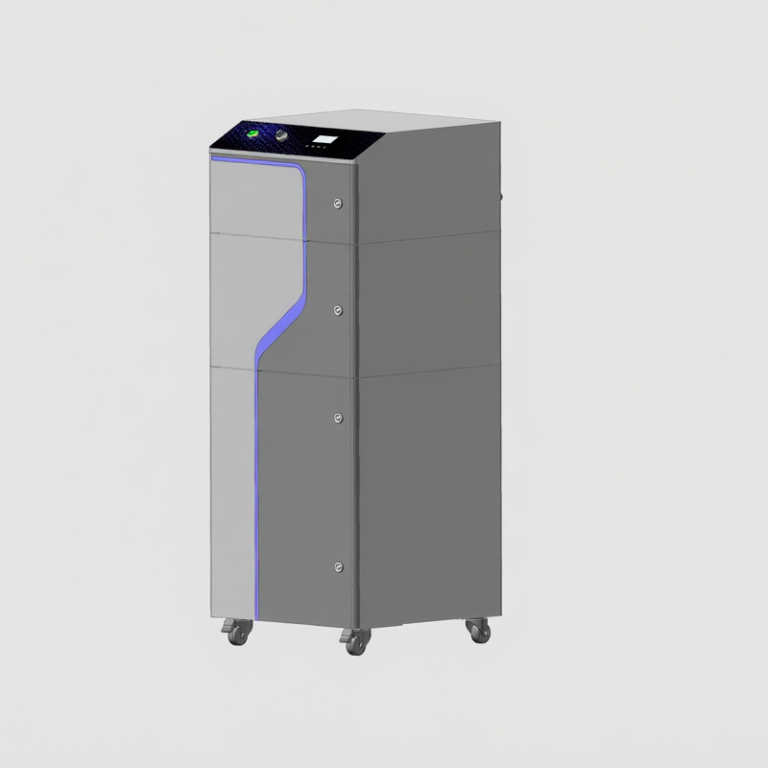
We’re moving from one-size-fits-all extractors to systems that read the room. New approaches layer simple sensors, variable-speed drives, and targeted capture hoods to match real process needs. A modern fume extraction machine can adjust airflow rate automatically, reducing energy use while keeping capture tight. I find that when teams add local sampling and basic control logic (edge computing nodes or simple PID loops), performance jumps and operators trust the system again.
Consider a compact case: a laser cutting line with intermittent high-output cycles. By adding a predictive fan curve and short-range sensors, the team cut filter loads and noise, and dropped airborne particulates by measurable amounts. Implementation wasn’t glamorous — just practical tweaks and smarter sequencing — but the plant saved on replacement filters and had fewer rejected parts. Short story: small tech + better controls = big practical wins. — and yes, it felt good to see the change.
What’s Next?
When you evaluate options, I recommend three simple metrics to keep it honest: 1) true capture efficiency at the source (not just nominal hood ratings), 2) adaptive control capability (variable-speed drives, sensors, and simple diagnostics), and 3) lifecycle cost (filter replacements, power consumption, and downtime). Use those and you’ll avoid shiny specs that don’t translate to cleaner air or fewer rejects. If you want a practical partner with real-world kits and service, check what brands like PURE-AIR deliver in terms of field-adjustable solutions and support. I’ll say it plainly: choose systems that make life easier for people on the floor — they’ll thank you, and so will your production numbers.