On a Busy Dublin Floor, the Meter Blinked Red
I still see that Friday rush at a plant in Ballycoolin. The mixers roared, forklifts zipped by, and the demand meter ticked up like a tale told fast and loud. We were pushing hard. In the second hour of shift change, the lights held steady because commercial energy storage systems were carrying the peaks with a quiet, steady pulse. The data read like a tune you could hum: a 27% drop in demand spikes over eight weeks; €18,600 shaved off one quarter’s bill; no missed orders. And yet, I asked myself, what choice do we make when the grid strains and the bill bites—do we halt or do we hedge? (I know which path feels more honest to the work.)
I’ve spent over 17 years helping factory managers, logistics hubs, and big retail sites weigh that choice. I’ve seen stop-start routines burn crews out, and diesel gensets make more smoke than sense. Now, I ask a simpler question. If we can hold throughput, keep safety tight, and still cut the bill, why not? Let’s set that on the table and move into the hard bits—the kind where money, maintenance, and timing all pull in different directions.
What the Old Fixes Miss—and Why Storage Fits the Real Pain
Where do the hidden losses creep in?
When people call me about peak charges, they often start with three ideas: “Can we reschedule loads?” “Can we fire up the genset?” “Can we just accept the bill?” I walk them through why modern commercial battery storage solutions change that maths. Traditional load shifting grinds against real life. Crews need breaks. Lines need clean changeovers. The grid does not care if your ovens or chillers must run at 11 a.m. Diesel? It is dear at point-of-use, noisy, and requires monthly test runs. Worse, diesel can’t ramp with finesse. Power converters and the plant’s own drives need smooth, fast response. A generator stumbles where a battery and PCS can glide. And accepting the bill? That is not strategy; that is surrender.
The deeper pain sits in control. Old peak-shave timers clip loads at odd hours and ignore process constraints. I’ve watched a dumb controller trip a chilled-water pump and throw a whole zone out of spec—an expensive spill from a “saving.” A smart battery system sits at the edge computing nodes, listens to the EMS, tracks state-of-charge, and holds a line without bumping quality. I prefer solutions that pair a microgrid controller, a fast PCS, and a BMS that respects C-rate limits. It keeps safety first and throughput steady. And, honestly, it’s handier than it looks—especially when you can feed solar behind the meter and let the battery soak midday excess without babysitting.
Better by Design: Principles, Proof, and What Comes Next
What’s Next
I tend to compare on principles first. Chemistry, coupling, control. LFP racks at 1,500 Vdc bring long cycle life and a calm thermal profile. NMC still has its place, but for daily cycling at 0.5–1C and tight fire codes, LFP wins me over. DC-coupled architectures trim conversion steps and bump round-trip efficiency past 92%, while AC-coupled units give retrofit sites simple tie-in with existing switchgear. Either way, the heart is the controller. If it cannot talk to your SCADA and demand-response gateway with low latency, you leave money on the floor. That is where good commercial battery storage solutions earn their keep—fast dispatch, safe limits, and reports the finance team can read without a translator.
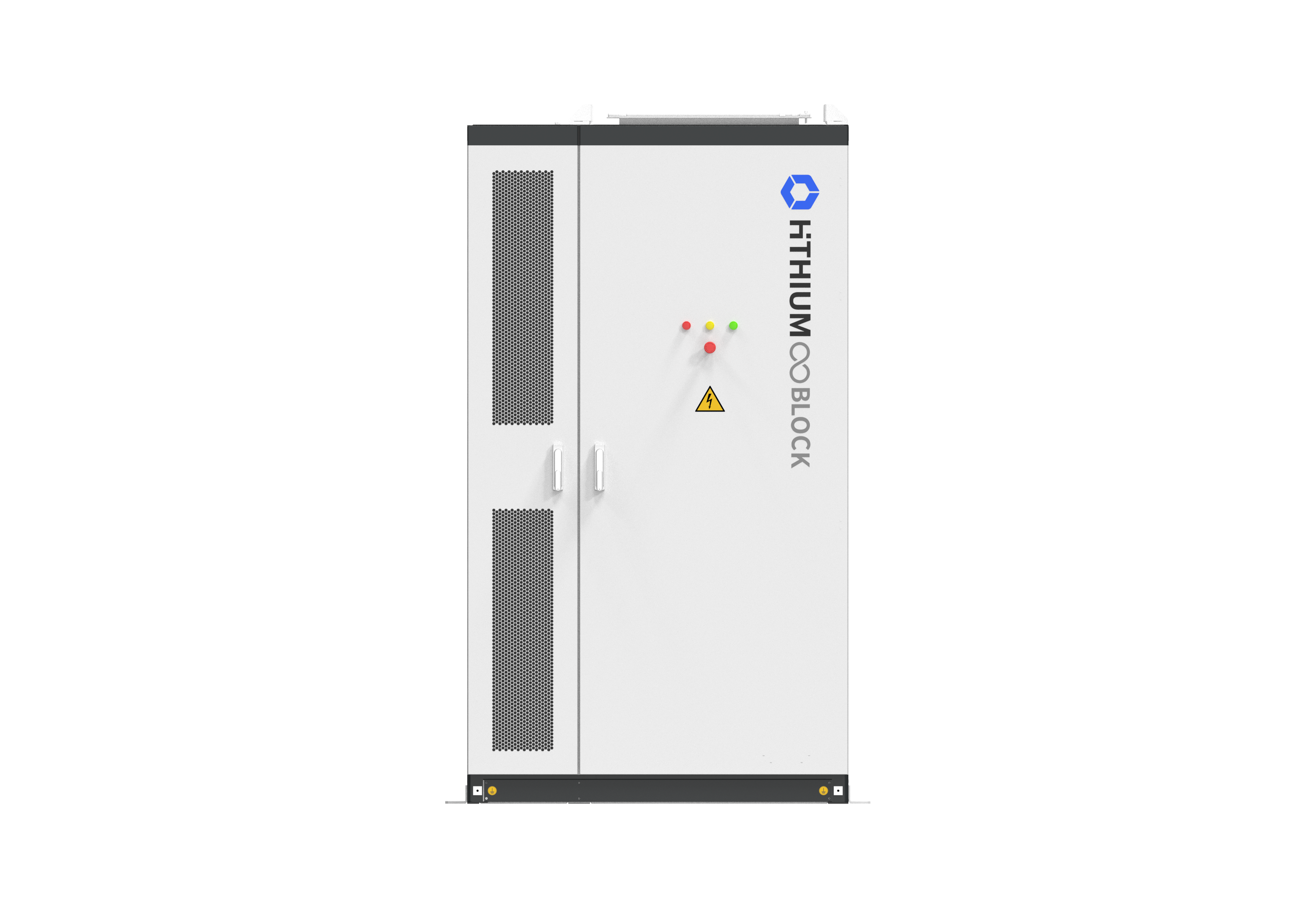
Let me ground it. In June 2022, we commissioned a 2.5 MW/5 MWh LFP container system in Dublin 15, tied to a 20-kV feeder with a 3 MVA transformer and a 97% efficient PCS. We shaved the site’s top 15-minute peaks by 31% across Q3. Demand charges fell by €74,200. We also caught two brownouts by running in island mode for 23 minutes each—production never paused. There was one odd little twist—we had to retune a VFD on a dust extractor because the fast ramp startled it—but a quick firmware nudge sorted it. That is the sort of small, real fix that keeps a team on side.

So how do you judge the next move? I use three yardsticks when I advise facility managers and procurement leads. First, check the warranty energy throughput in MWh per rack at 80% depth-of-discharge; lower numbers mean hidden cost later. Second, demand real UL 9540A test data and fire strategy details, including HVAC sizing and exhaust paths; safety is not a brochure. Third, verify control integration: round-trip efficiency under your duty cycle, response time under 200 ms, and clear APIs for your EMS—because a silent battery is a wasted battery. Choose like that, and you’ll keep output grand while the meter stays calm. You’ll also sleep better when the grid gets moody—odd comfort, but true. If you need a solid place to start a shortlist, I’ve seen reliable work from HiTHIUM across several Irish and UK sites without fuss or fanfare.