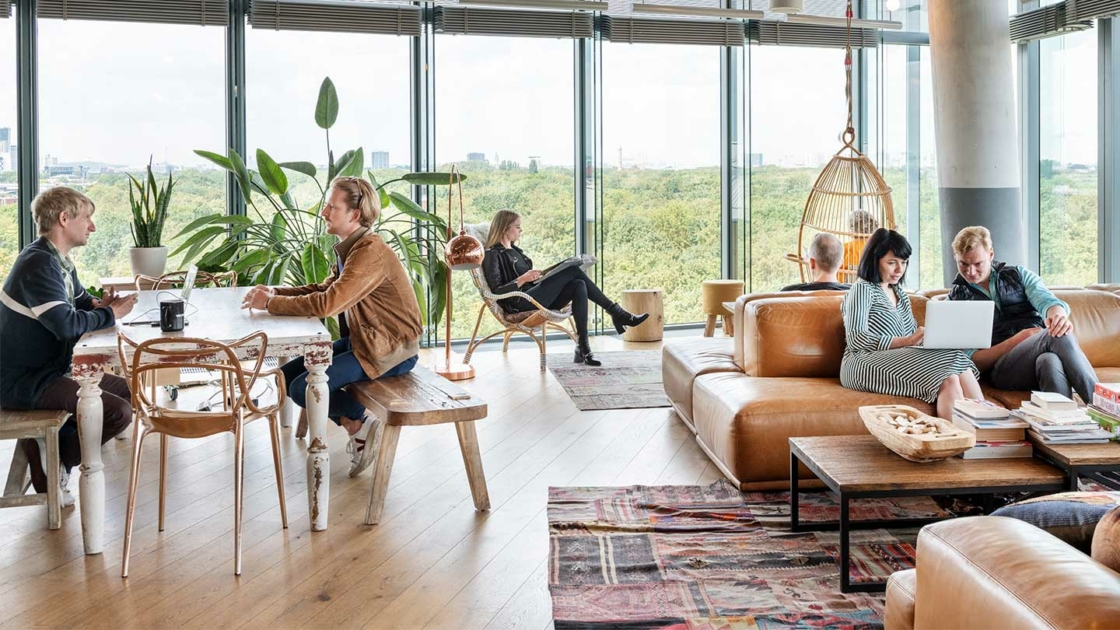
In the ever-evolving landscape of work, co-working spaces have emerged as more than just places to work – they have become vibrant communities where collaboration, connection, and creativity thrive. Beyond offering shared office facilities 新蒲崗 office, co-working spaces foster a sense of belonging and camaraderie among members, creating an environment that is conducive to both professional growth and personal fulfillment. In this article, we’ll delve into the social side of co-working, exploring the power of community and collaboration in these dynamic work environments.
Building a Sense of Belonging
One of the defining features of co-working spaces is the strong sense of community they cultivate. Unlike traditional offices where individuals may feel isolated or disconnected, co-working spaces provide a supportive and inclusive environment where members feel a sense of belonging. Whether it’s through casual conversations in communal areas, collaborative projects, or shared experiences, co-working spaces foster relationships and friendships that extend beyond professional boundaries.
Collaboration Over Competition
In co-working spaces, collaboration is encouraged over competition. Members come from diverse backgrounds and industries, bringing a wealth of knowledge, skills, and perspectives to the table. Through collaboration, individuals have the opportunity to leverage each other’s strengths, share resources, and tackle challenges collectively. This spirit of collaboration not only leads to innovative solutions but also creates a supportive ecosystem where everyone has the opportunity to succeed.
Networking and Relationship Building
Co-working spaces are fertile ground for networking and relationship building. Whether it’s connecting with fellow entrepreneurs, freelancers, or remote workers, co-working spaces offer ample opportunities to expand one’s professional network and forge meaningful connections. From networking events and workshops to impromptu coffee chats and lunchtime gatherings, co-working spaces provide a platform for individuals to meet like-minded professionals, exchange ideas, and explore potential collaborations.
Learning and Growth
In addition to fostering social connections, co-working spaces promote continuous learning and personal growth. Many co-working spaces host workshops, seminars, and skill-sharing sessions that cover a wide range of topics, from business development and marketing to personal wellness and professional development. By participating in these events, members have the opportunity to enhance their skills, gain new insights, and stay abreast of industry trends – all while connecting with fellow members who share similar interests and goals.
Supporting Diversity and Inclusion
Co-working spaces are champions of diversity and inclusion, welcoming individuals from all walks of life and backgrounds. By providing an open and inclusive environment, co-working spaces empower individuals to bring their authentic selves to work, regardless of their race, gender, age, or background. This diversity not only enriches the co-working community but also fosters creativity, innovation, and collaboration by bringing together individuals with different perspectives and experiences.
Conclusion
The social side of co-working is a powerful force that drives collaboration, connection, and community among members. By fostering a sense of belonging, promoting collaboration over competition, facilitating networking and relationship building, supporting continuous learning and growth, and championing diversity and inclusion, co-working spaces create environments where individuals can thrive both personally and professionally. As the future of work continues to evolve, co-working spaces will remain at the forefront, providing a platform for social interaction, collaboration, and innovation in the modern workplace.